
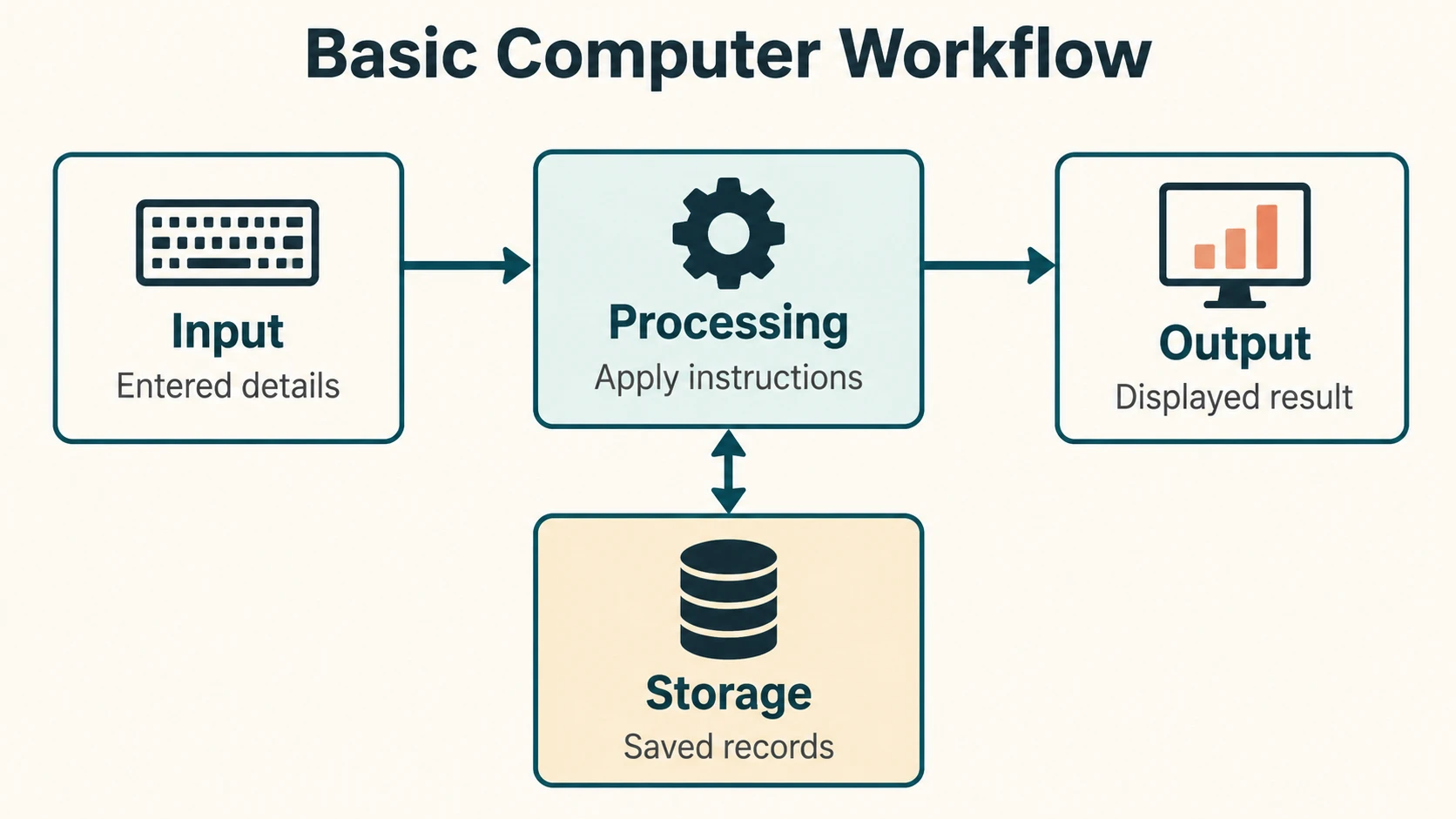
Computer Fundamentals
Foundational computer awareness for banking and recruitment examinations: basic concepts, data processing, computer generations, classifications, system components, and 72 explained MCQs.
Explore ModuleFoundational lessons in computer fundamentals, hardware, software, office applications, the internet, networking and digital safety for banking and recruitment exam preparation.
Start with the foundations →
A beginner-level preparation track, separate from Class 11/12, B.Tech, GATE and UGC NET. Suitable for candidates whose banking or recruitment examination includes computer knowledge or aptitude; not every banking exam has a separate Computer Awareness section. Follow the syllabus for your specific examination.
Foundational computer awareness for banking and recruitment examinations: basic concepts, data processing, computer generations, classifications, system components, and 72 explained MCQs.
Explore Module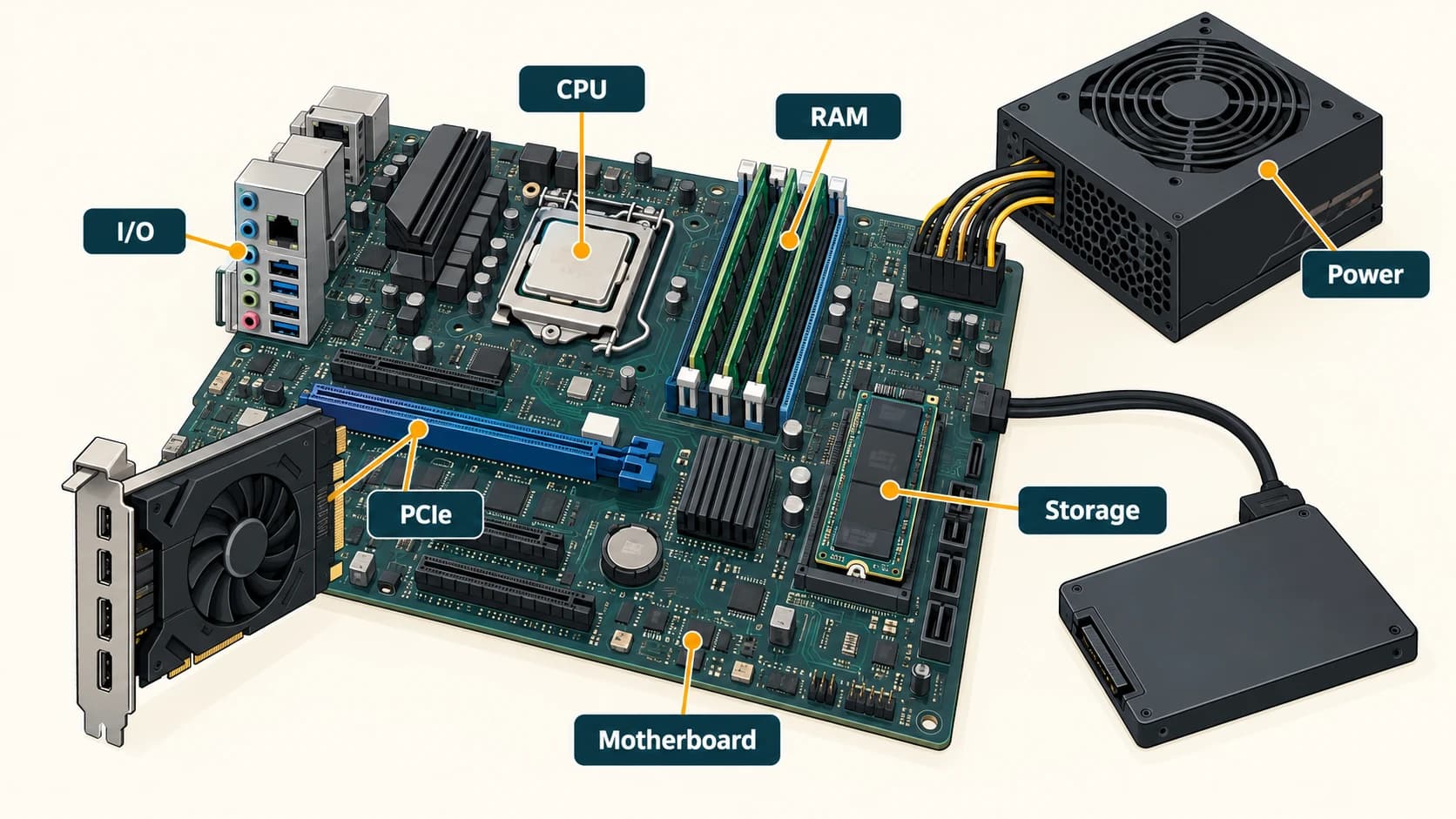
Computer Awareness module on motherboards, CPU parts, input/output devices, primary memory, secondary storage, storage units and connectors, with original explained MCQs.
Explore Module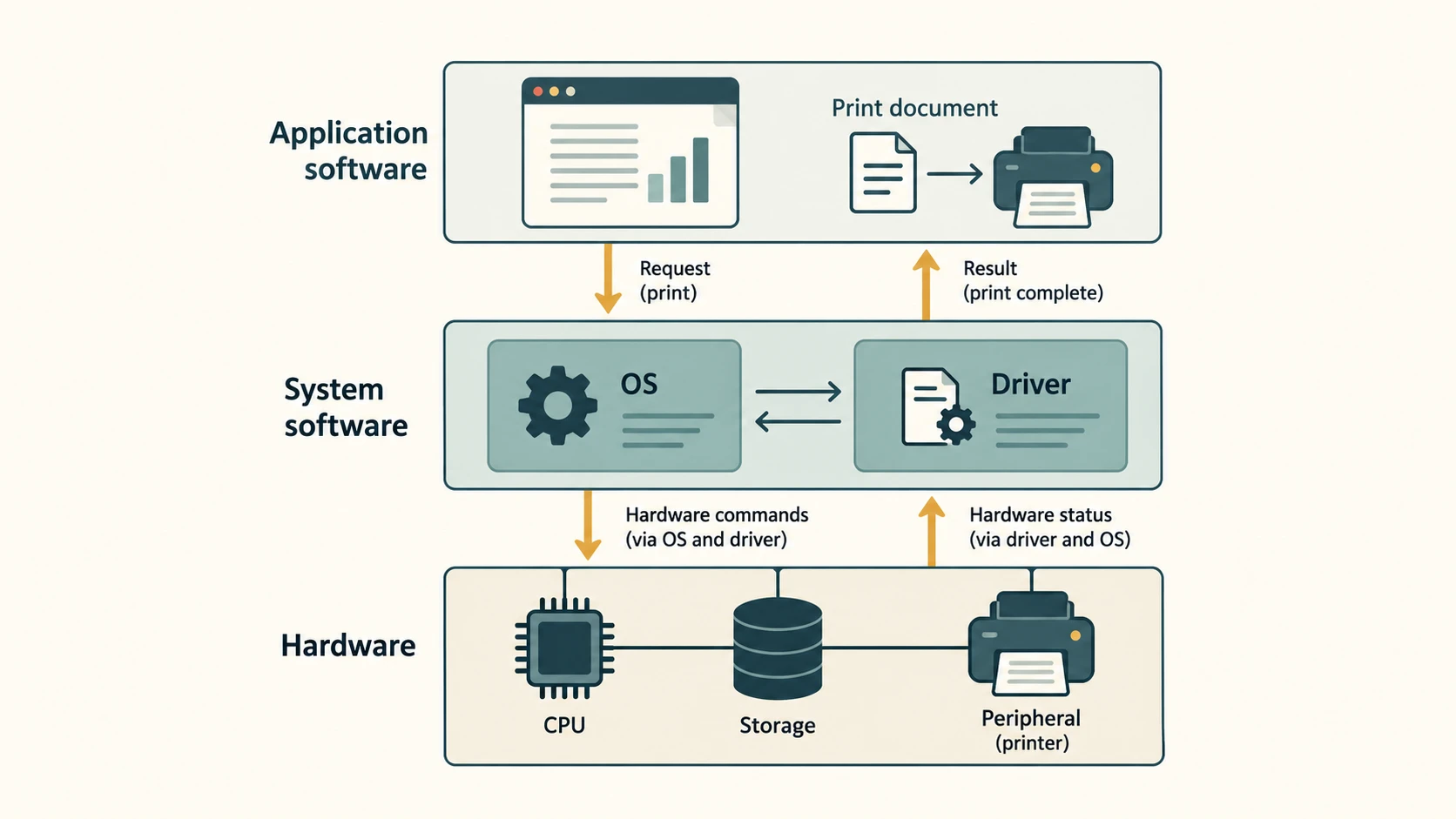
Computer Awareness lessons on system and application software, operating systems, OS types, GUI and CLI, major operating-system families, utilities and firmware, language translators, booting, files, folders and extensions, with 96 explained MCQs.
Explore Module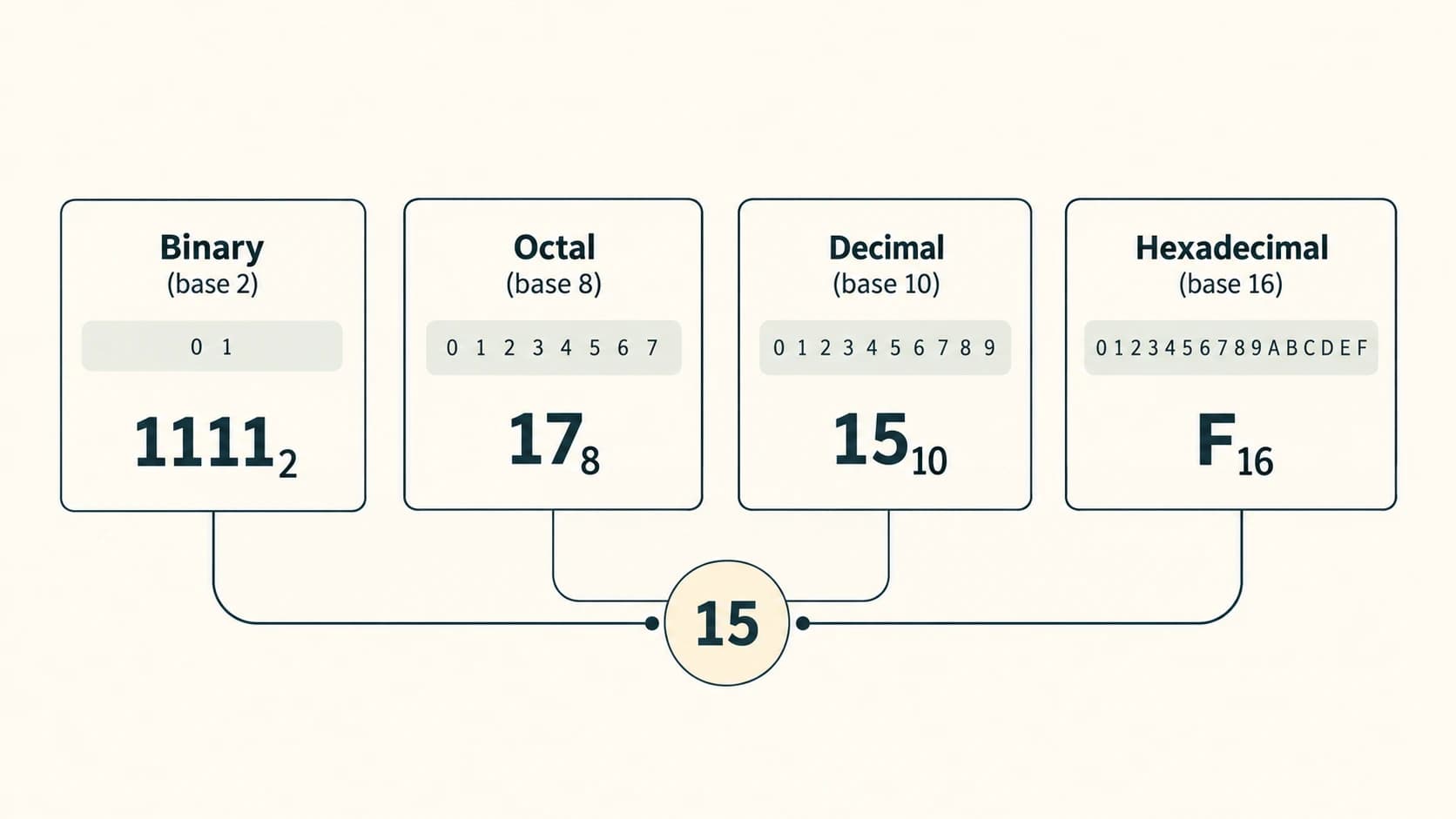
Computer Awareness module explaining binary, decimal, octal and hexadecimal numbers, elementary base conversions, ASCII and Unicode, logic gates, common data types and file formats, with 60 explained MCQs.
Explore Module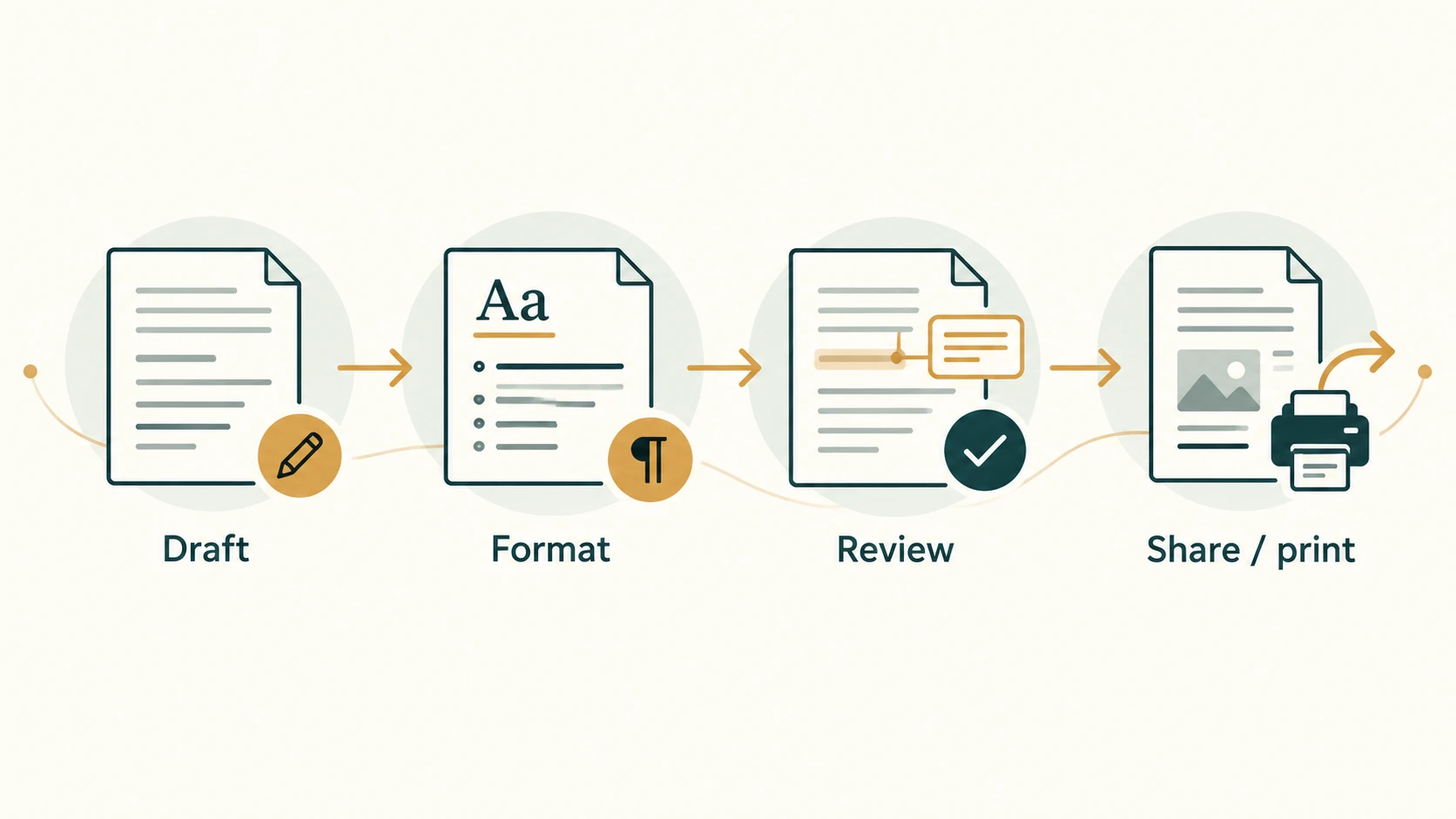
Computer Awareness lessons on word processing, spreadsheets, Excel formulas, presentations, Office file extensions, shortcuts and printing, with 84 explained practice MCQs.
Explore Module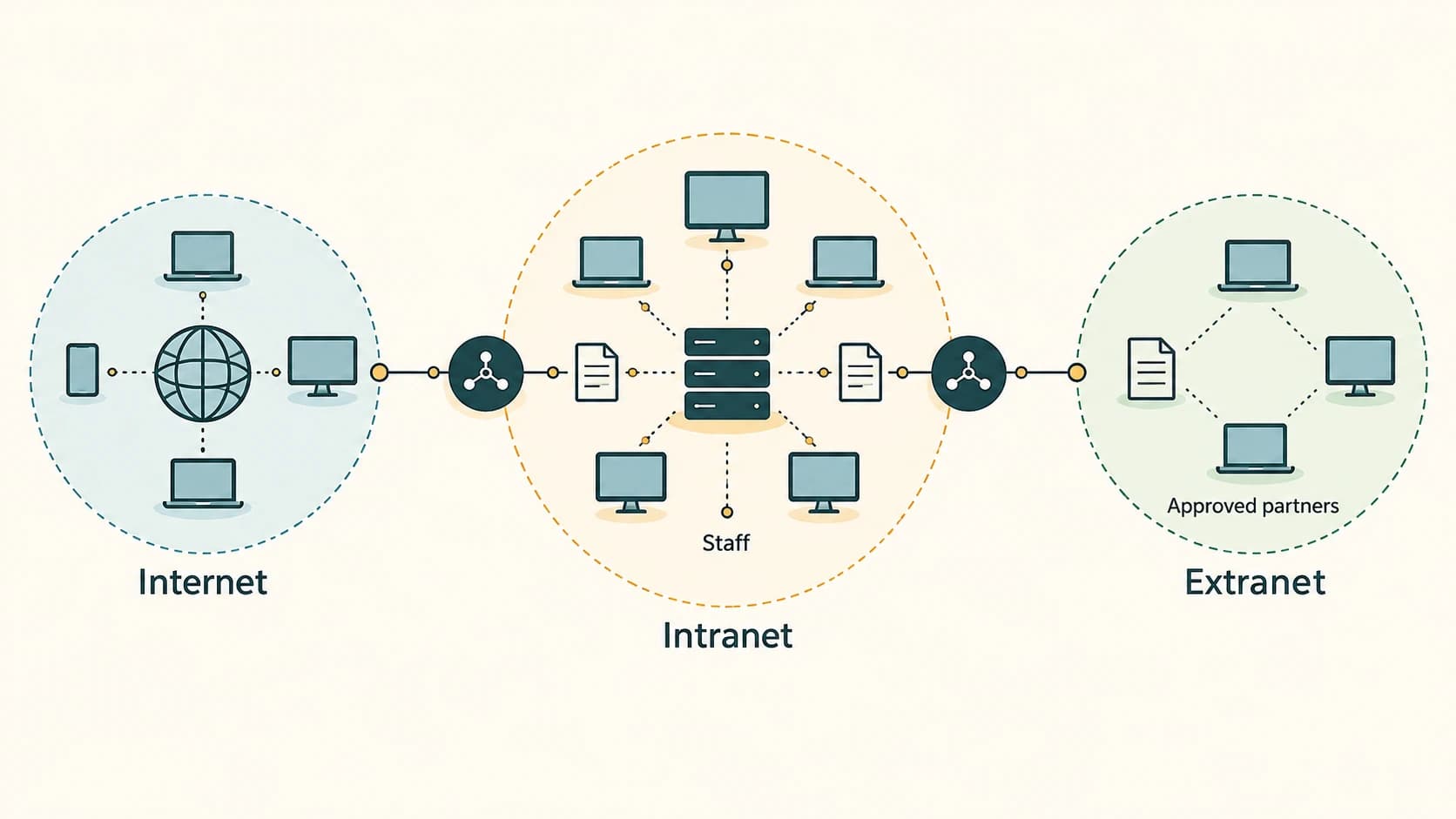
Beginner-friendly Computer Awareness module on Internet, intranet, extranet, websites, web browsers, URLs, DNS, search, email, data transfer, cloud storage and web applications, with explained practice questions.
Explore Module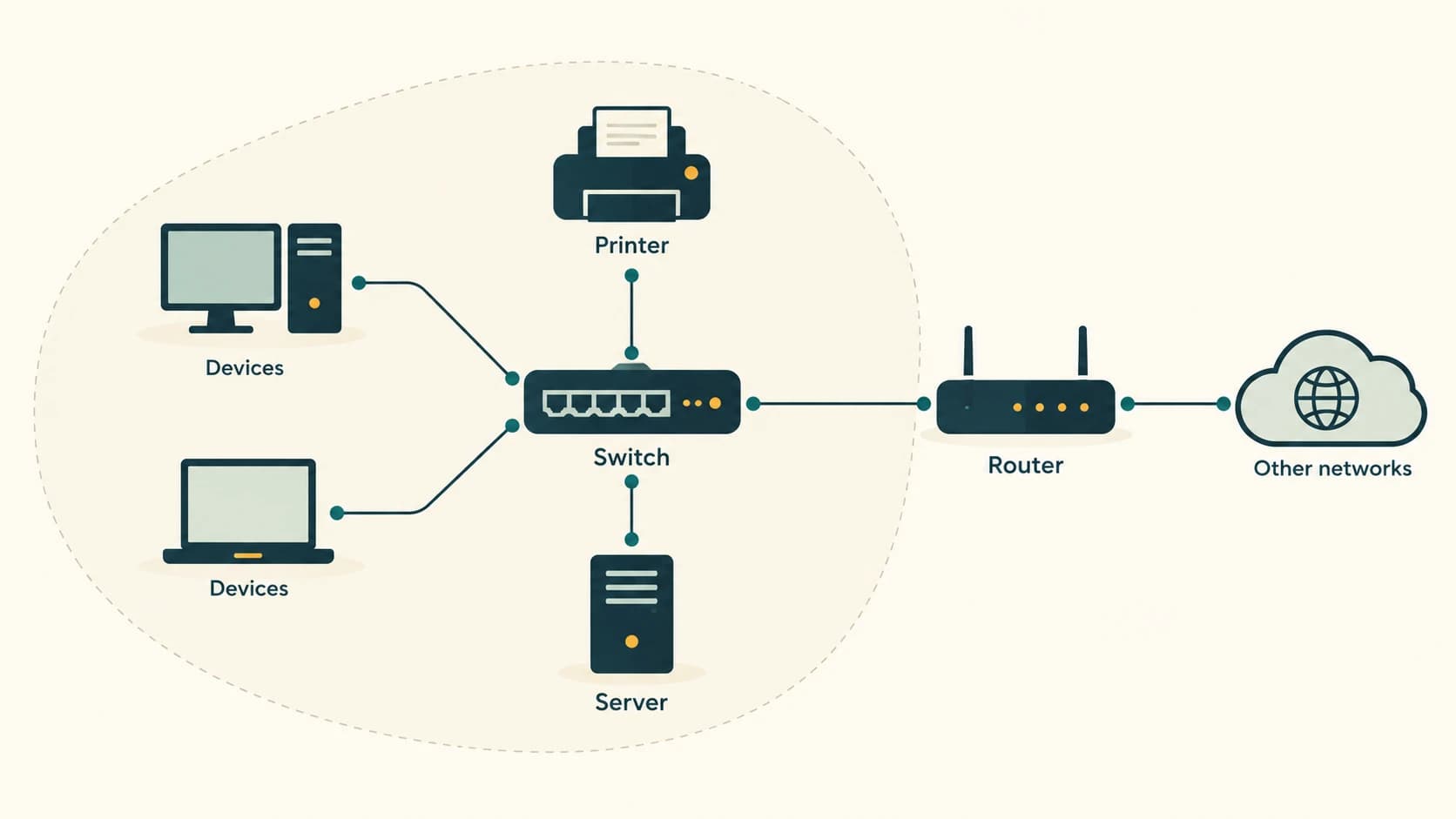
Beginner-friendly computer networking for banking and recruitment exams: network fundamentals, PAN/LAN/MAN/WAN, topologies, devices, media, IP and MAC addresses, Internet protocols, Wi-Fi, Bluetooth, NFC and mobile networks, with explained objective questions.
Explore Module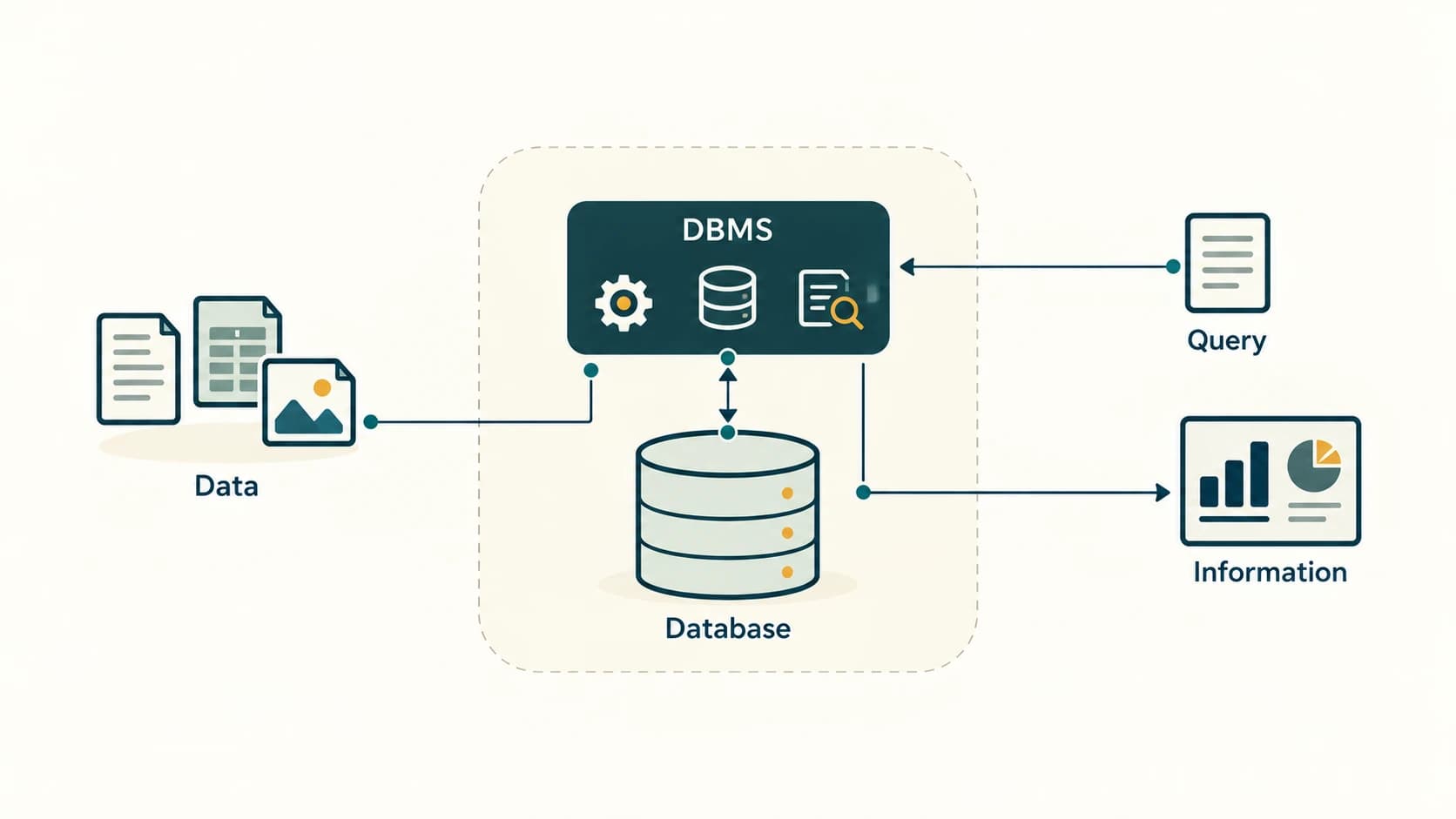
Computer Awareness module on databases, DBMS, tables and keys, relational databases, introductory SQL, databases versus spreadsheets, data warehousing, data mining, big data, and management information systems, with explained practice questions.
Explore Module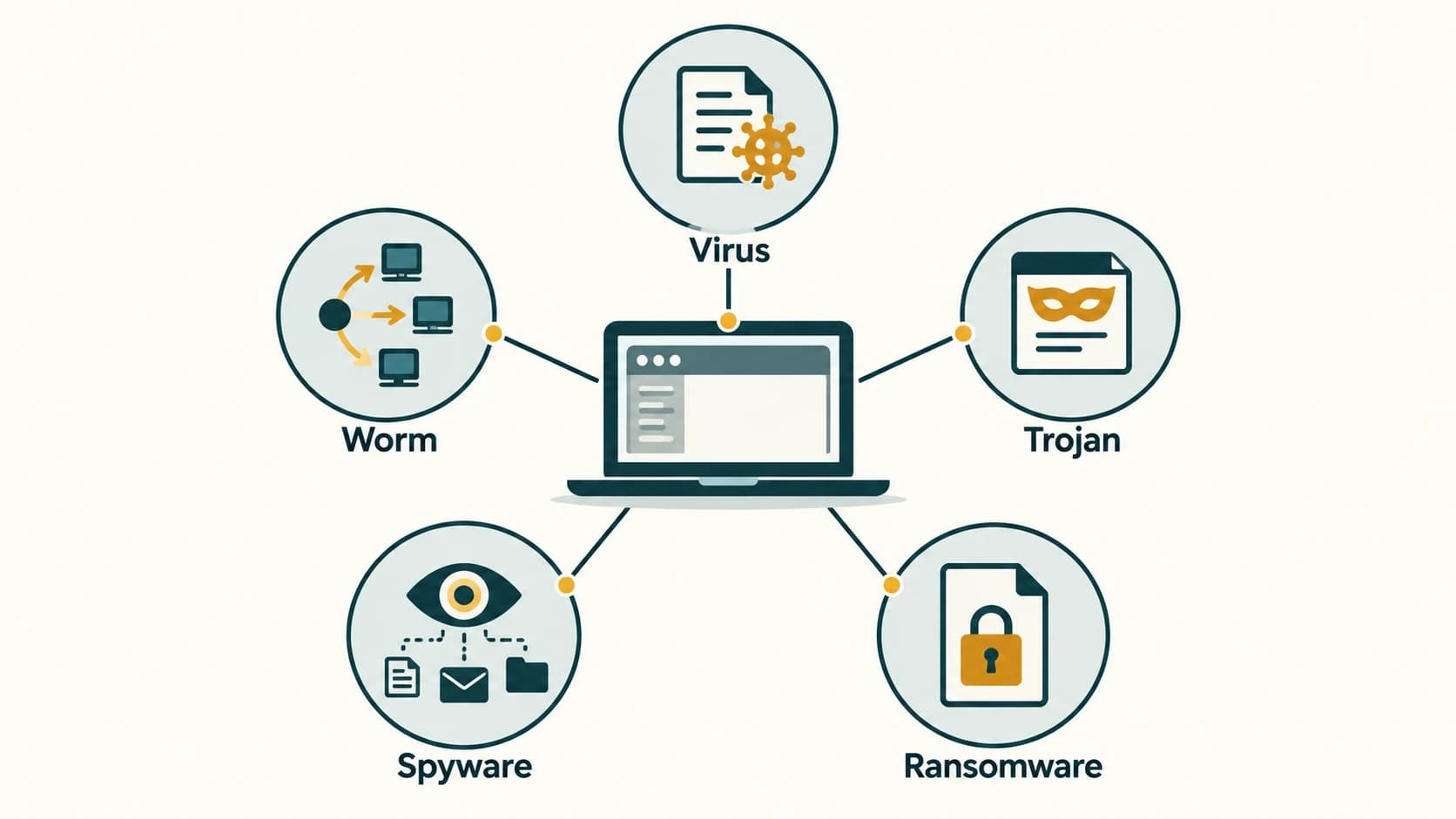
Computer Awareness module covering malware, phishing, endpoint protection, passwords and MFA, encryption, hashing, backups, privacy and digital-payment fraud awareness, with explained practice questions.
Explore Module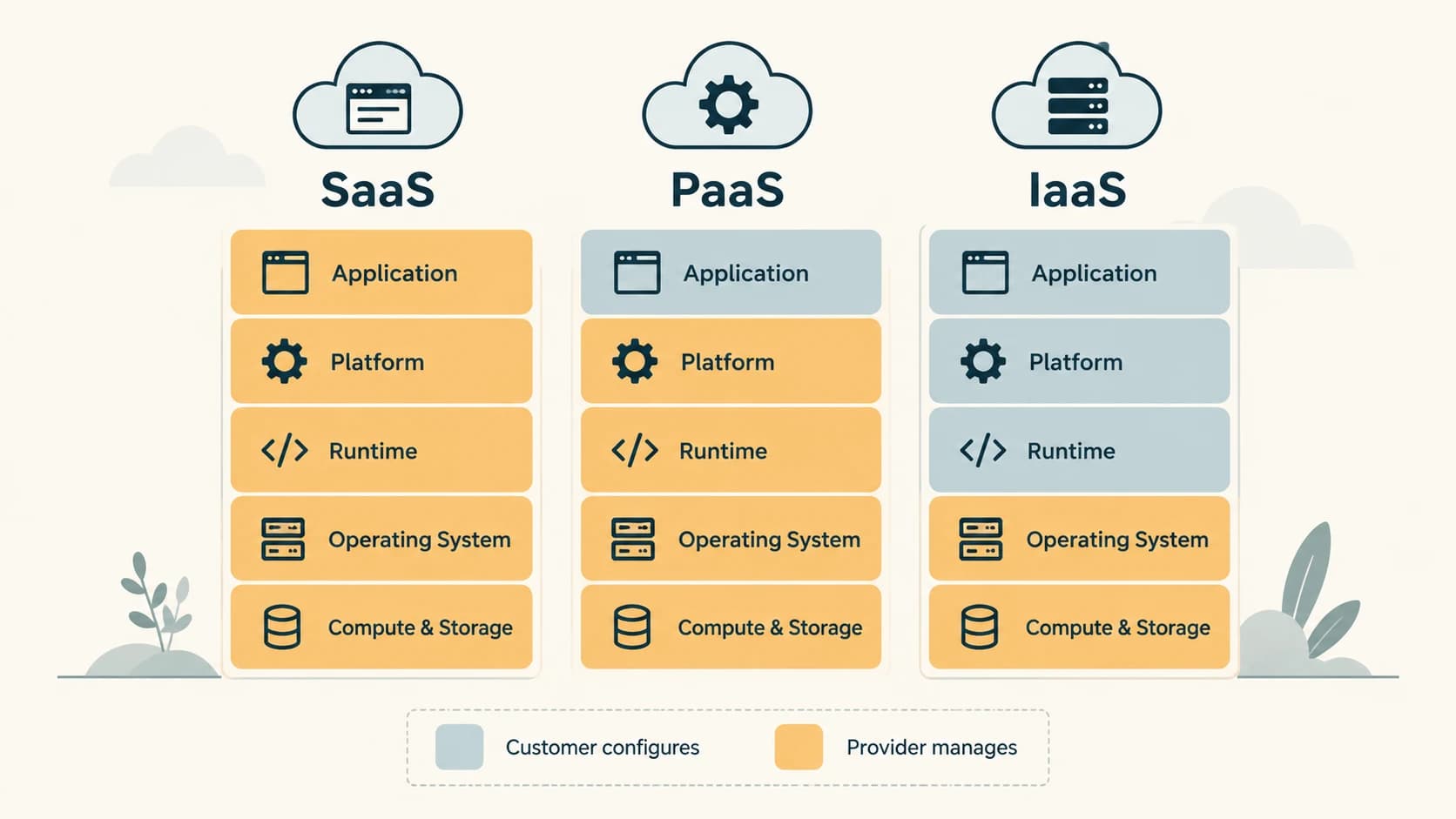
Computer Awareness fundamentals of cloud computing, artificial intelligence, IoT, blockchain, digital payments, APIs, and virtualization for banking and recruitment examinations, with explained practice questions.
Explore Module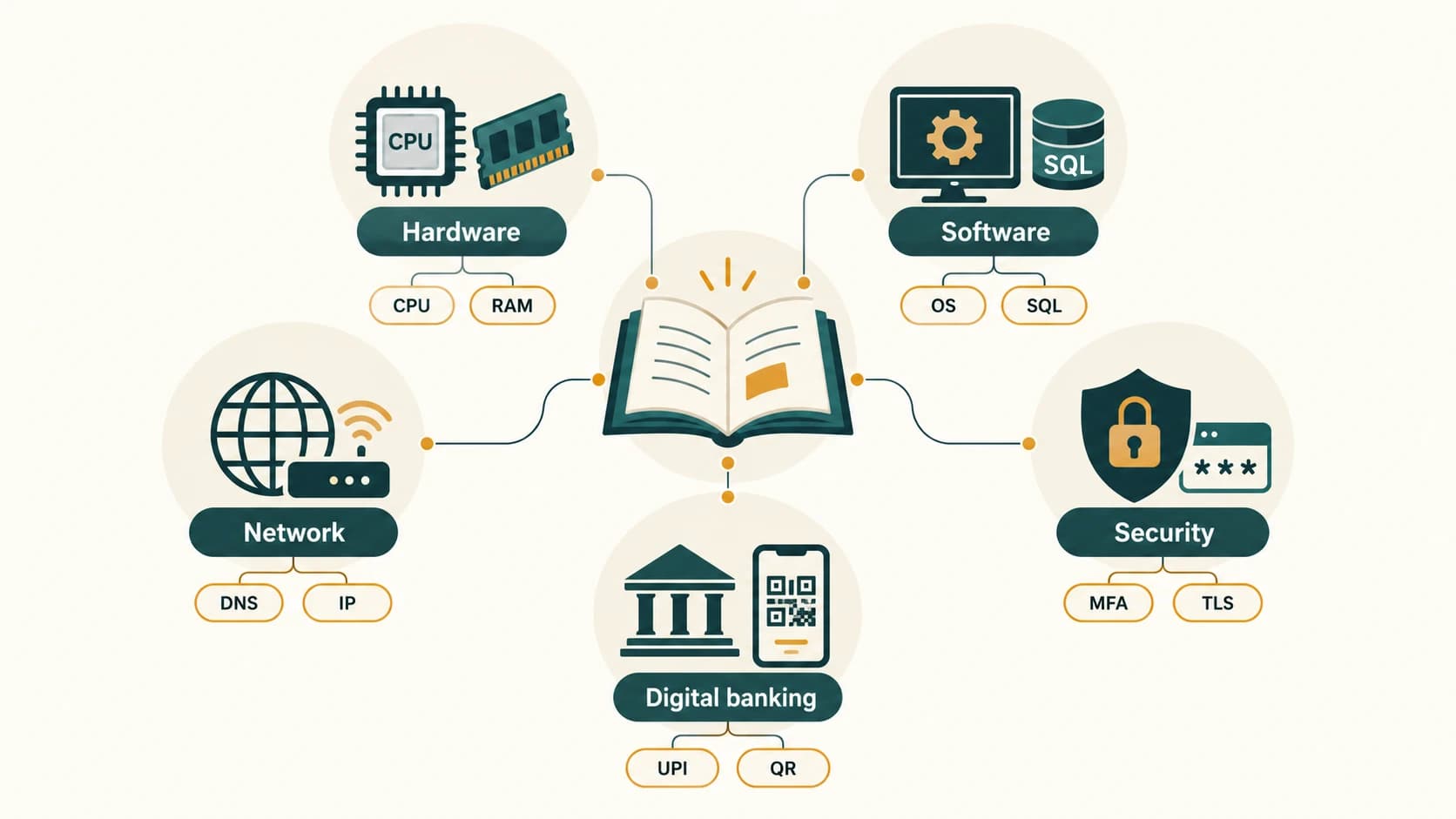
Concise but explained Computer Awareness revision on abbreviations, computer pioneers, hardware and software, networks and the Internet, and cybersecurity, with 60 original exam-style MCQs.
Explore Module