
Technology
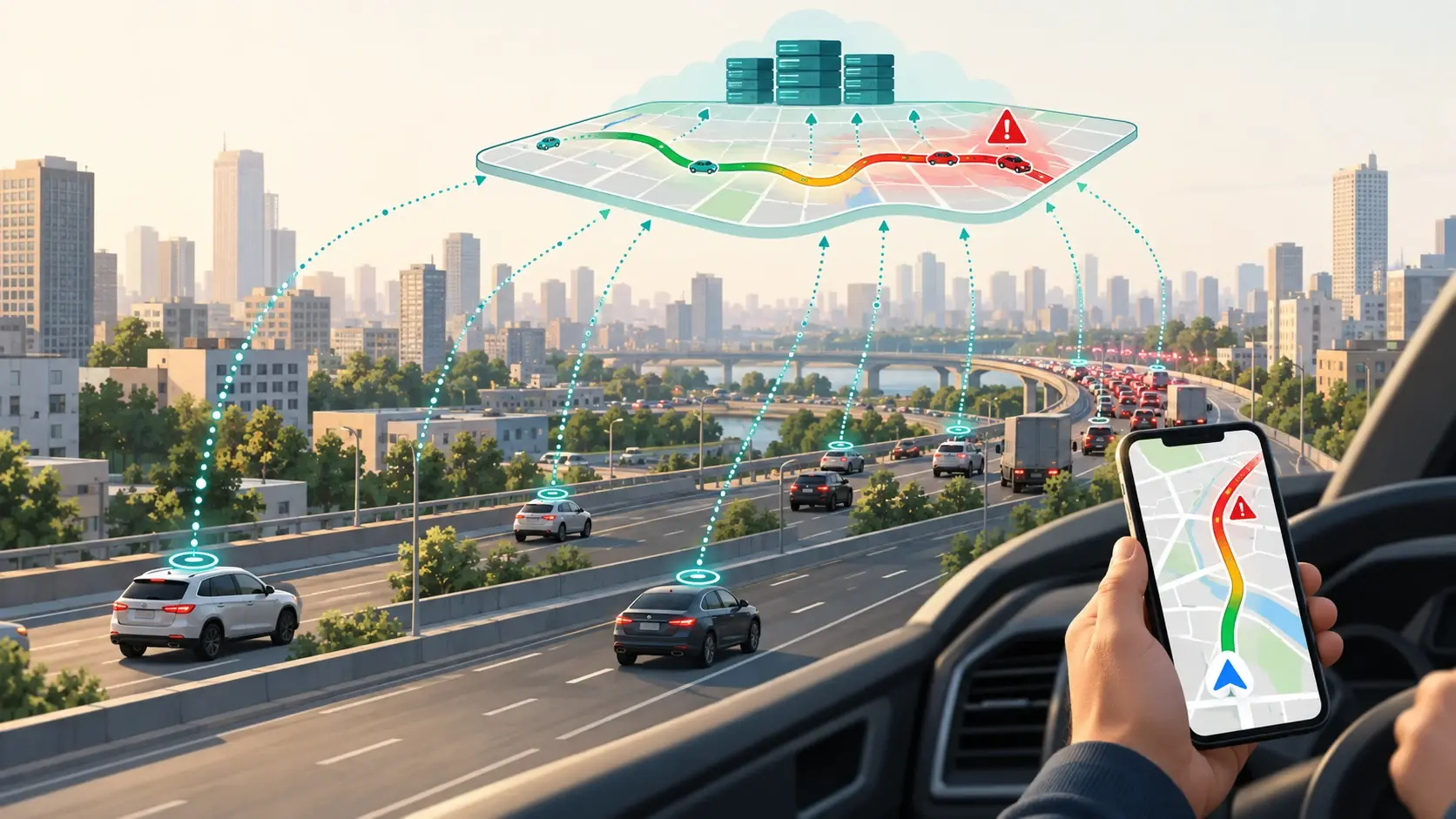
How Does Google Maps Know There’s Traffic Ahead?
Learn how Google Maps detects traffic using navigation data, historical patterns, incident reports and AI to predict congestion and calculate ETAs.
Ideas, software, and the systems shaping everyday life.

Learn how Google Maps detects traffic using navigation data, historical patterns, incident reports and AI to predict congestion and calculate ETAs.

From searches and locations to payments and fitness data, see how an ordinary day creates a surprisingly detailed digital trail—and where it goes.

Learn how phone fingerprint sensors scan your finger, create a secure mathematical template and decide whether the fingerprint matches yours.

Learn how QR codes turn text and links into tiny black-and-white squares, how phones decode them, and why damaged QR codes can still work.

Free apps and websites still cost money to run. Learn how ads, data, freemium plans, subscriptions, ecosystems and open-source funding make “free” possible.
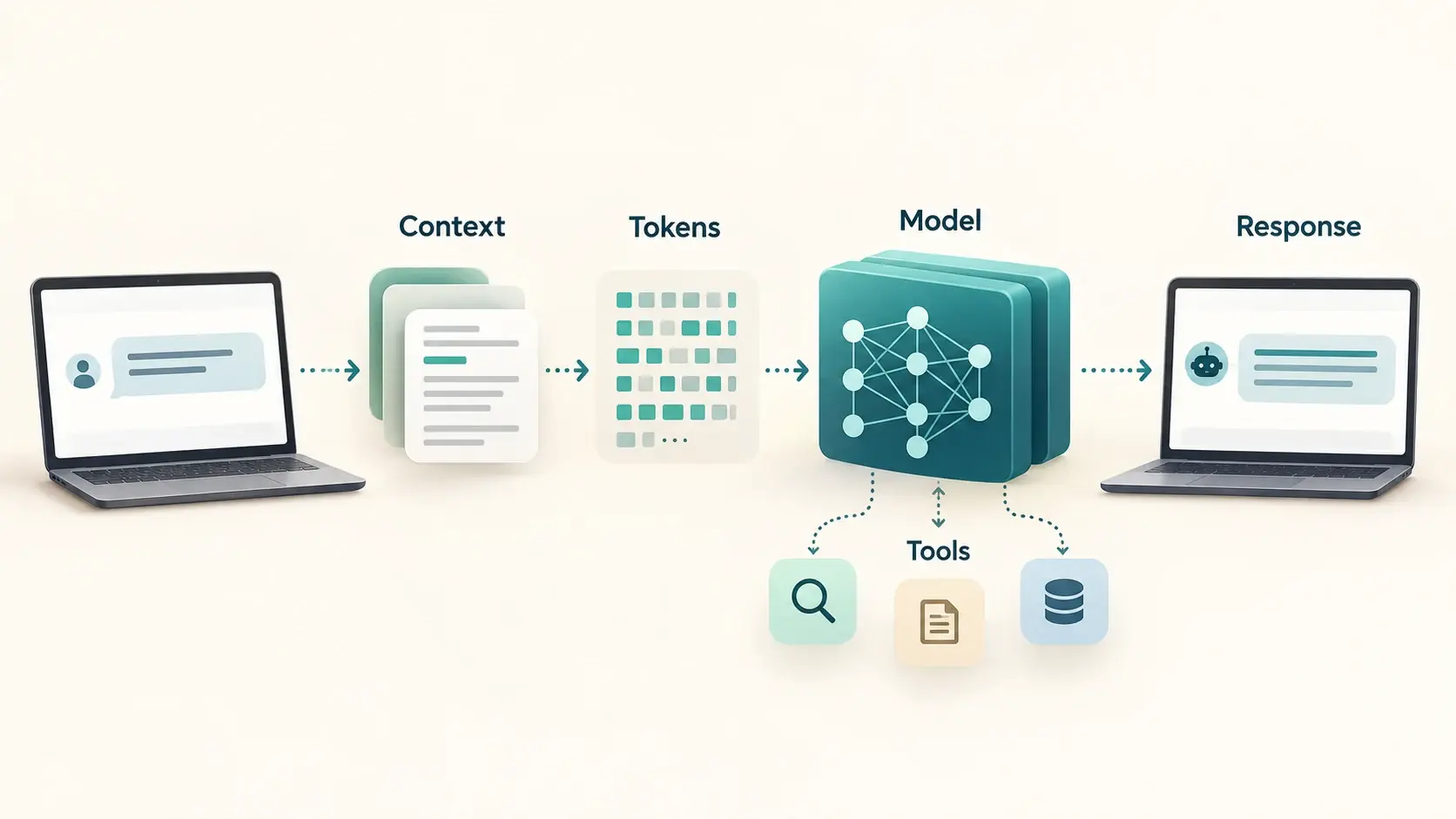
Follow an AI prompt from your screen through tokenization, context, transformer processing, tools, next-token prediction and streaming back to you.

Learn why modern AI needs powerful GPUs, huge memory and data centres for training and inference, and why even generating one answer requires so much computation.

Learn what actually happens when you delete a file, why recovery sometimes works, and why SSDs, HDDs, cloud storage and phones behave differently.

Why does a restart fix a frozen app, slow computer or broken Wi-Fi? Learn what happens behind the scenes, what a restart resets and when it cannot help.

Learn how microSD cards, SSDs and flash drives store huge amounts of data using microscopic memory cells, electrical charge and 3D NAND technology.