
Cricket
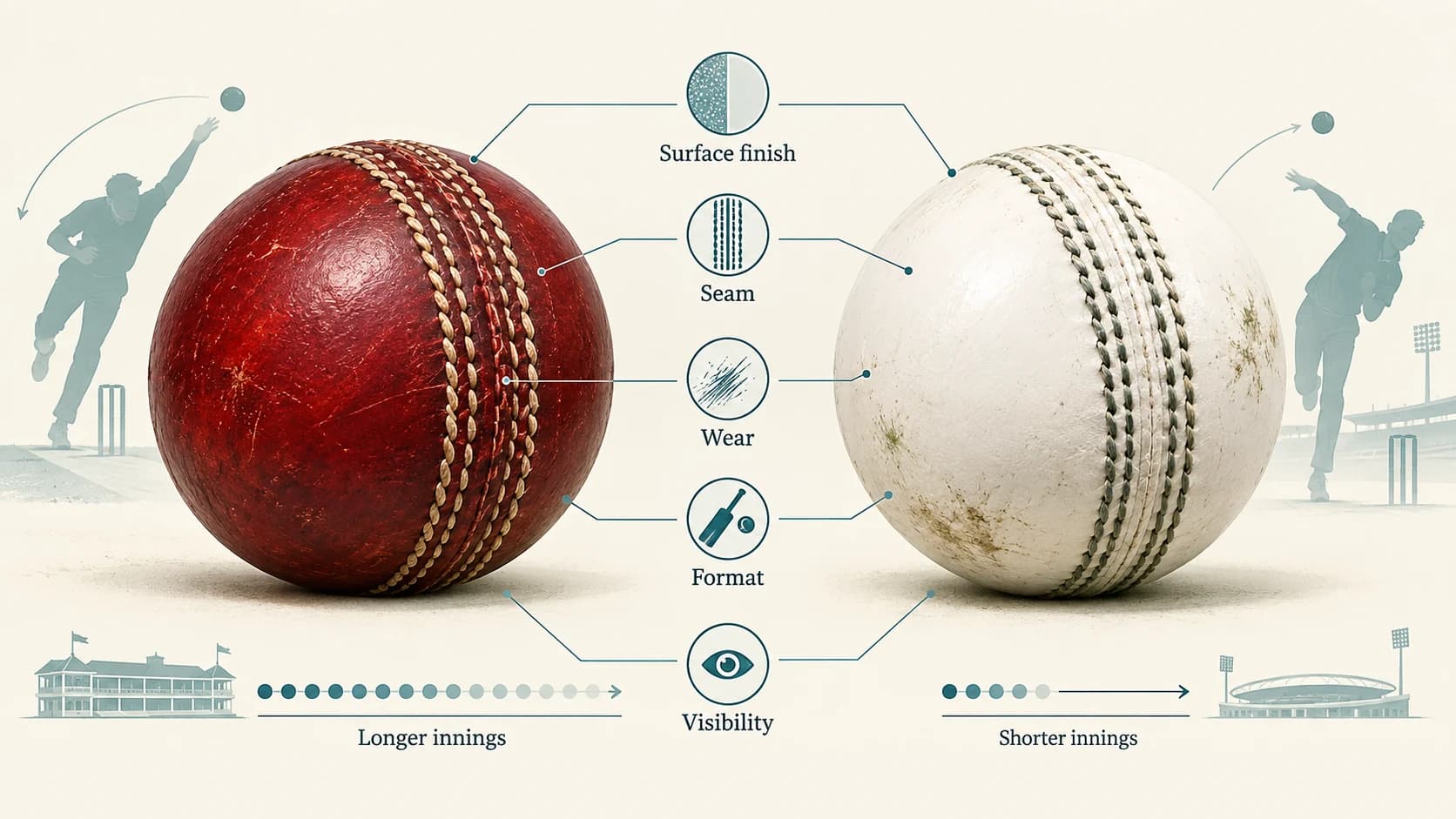
Why Can a Red Cricket Ball Behave Differently From a White One?
Learn why red and white cricket balls can swing, seam, wear and feel different—and why colour itself is only part of the story.
Useful explanations, guides, comparisons, analysis and interesting developments.
Learn why red and white cricket balls can swing, seam, wear and feel different—and why colour itself is only part of the story.
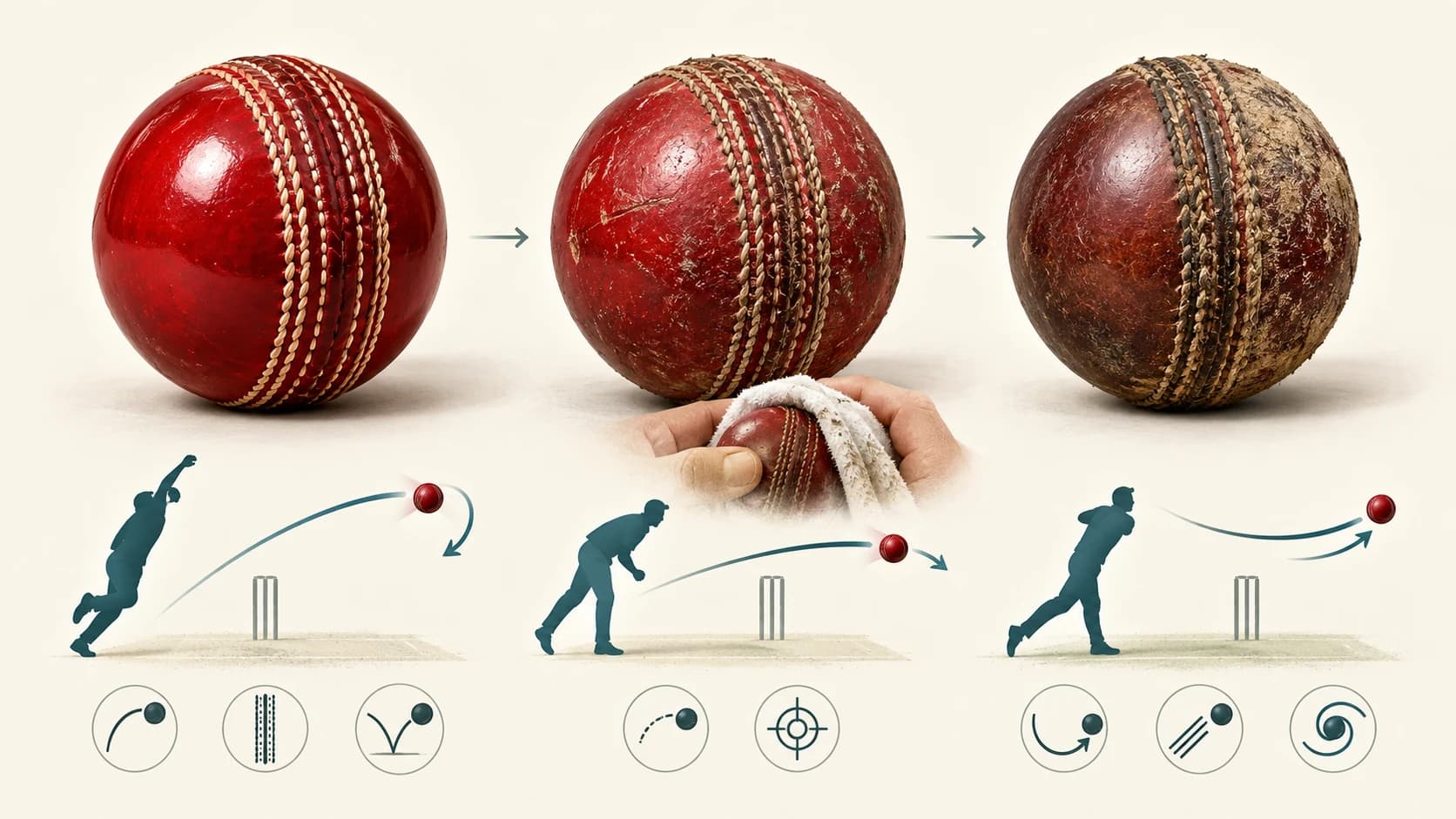
Learn why a new cricket ball swings, seams and bounces differently from an old one, and how wear, shine, roughness and the seam change bowling strategy.
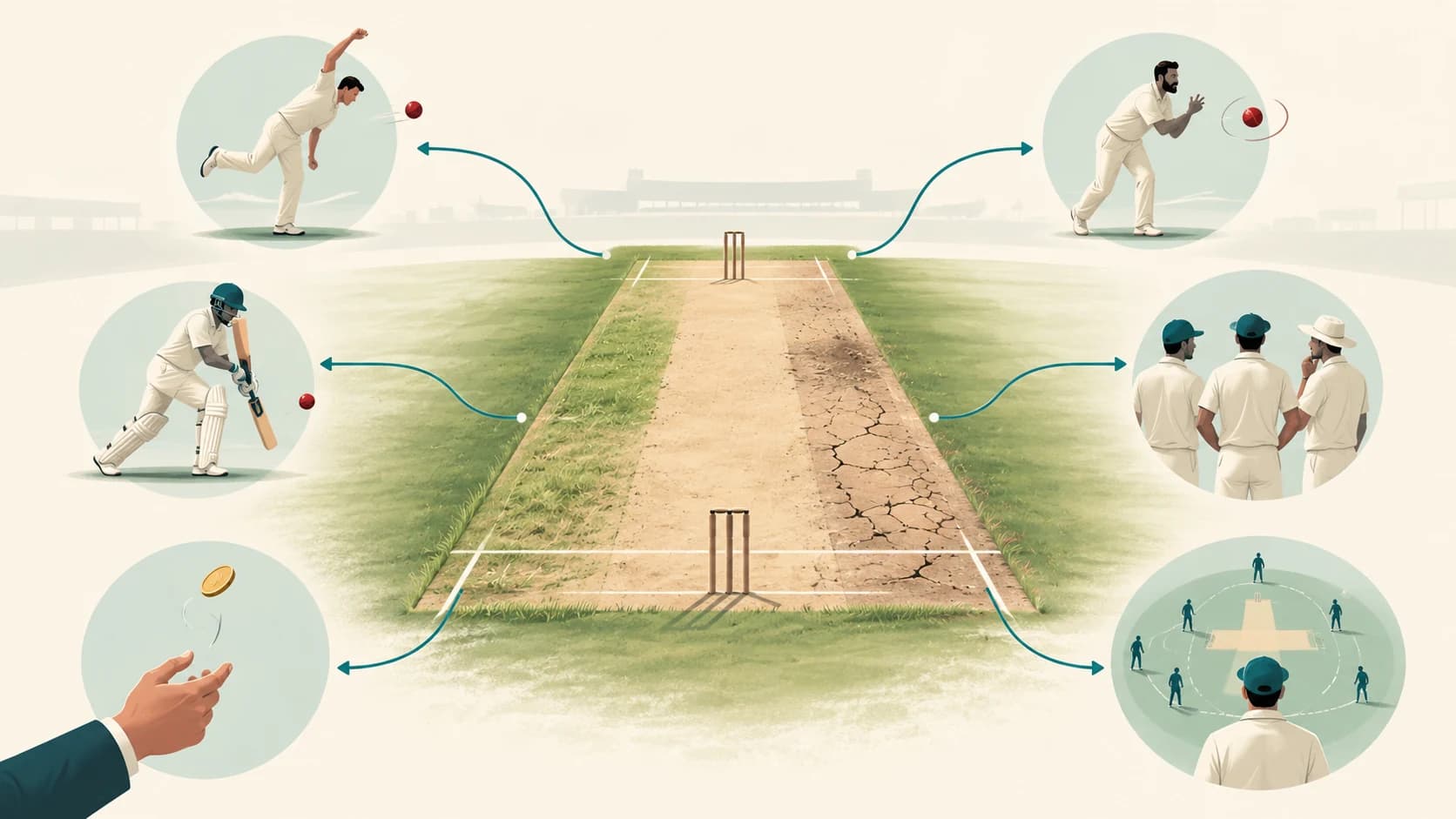
Learn how grass, moisture, hardness, wear and bounce influence batting, fast bowling, spin, team selection, the toss and match strategy in cricket.
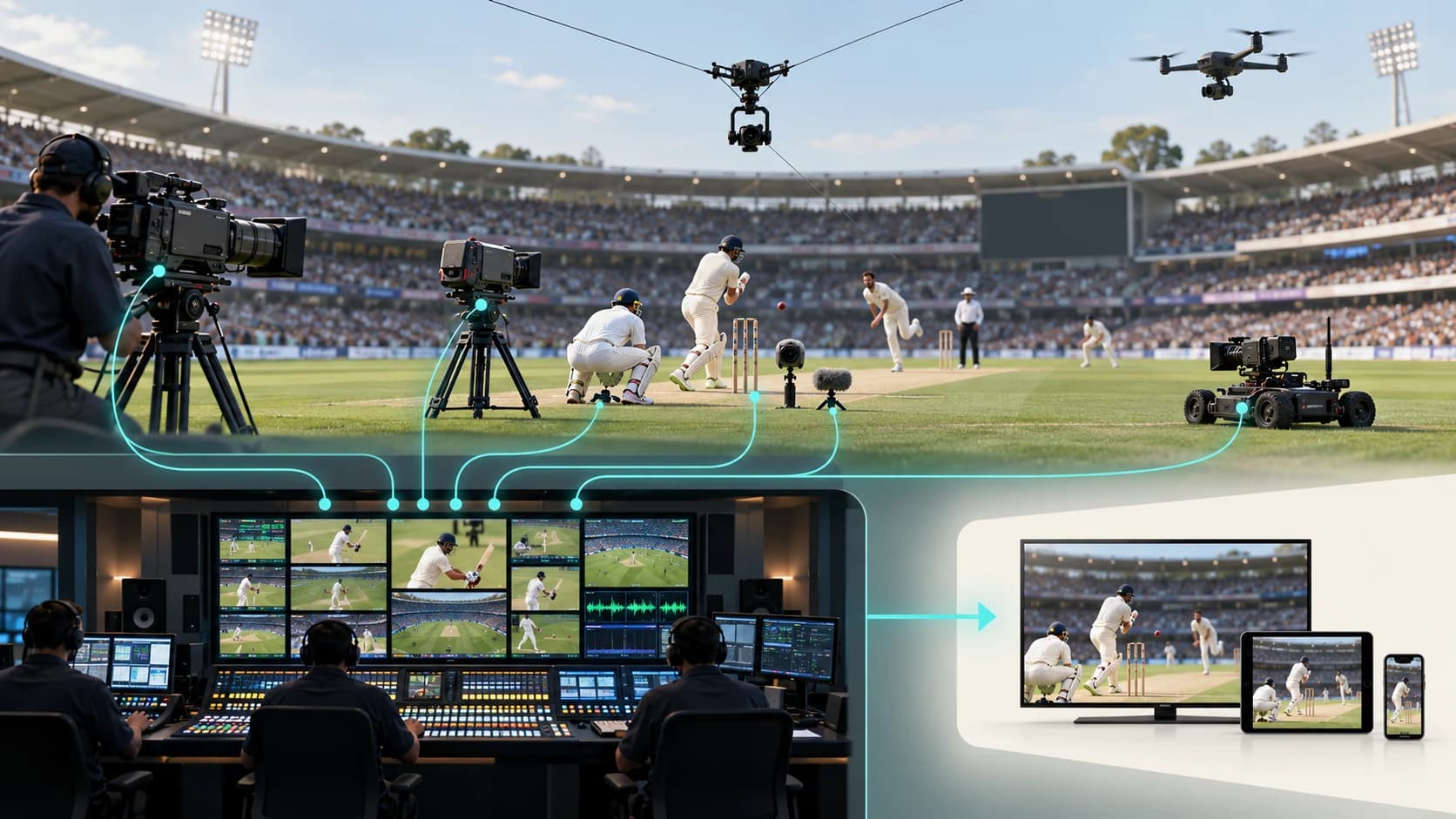
Discover how dozens of cameras, slow-motion replay, stump microphones, Hawk-Eye, live data, graphics, drones, Spidercam and streaming systems work together during a modern cricket broadcast.
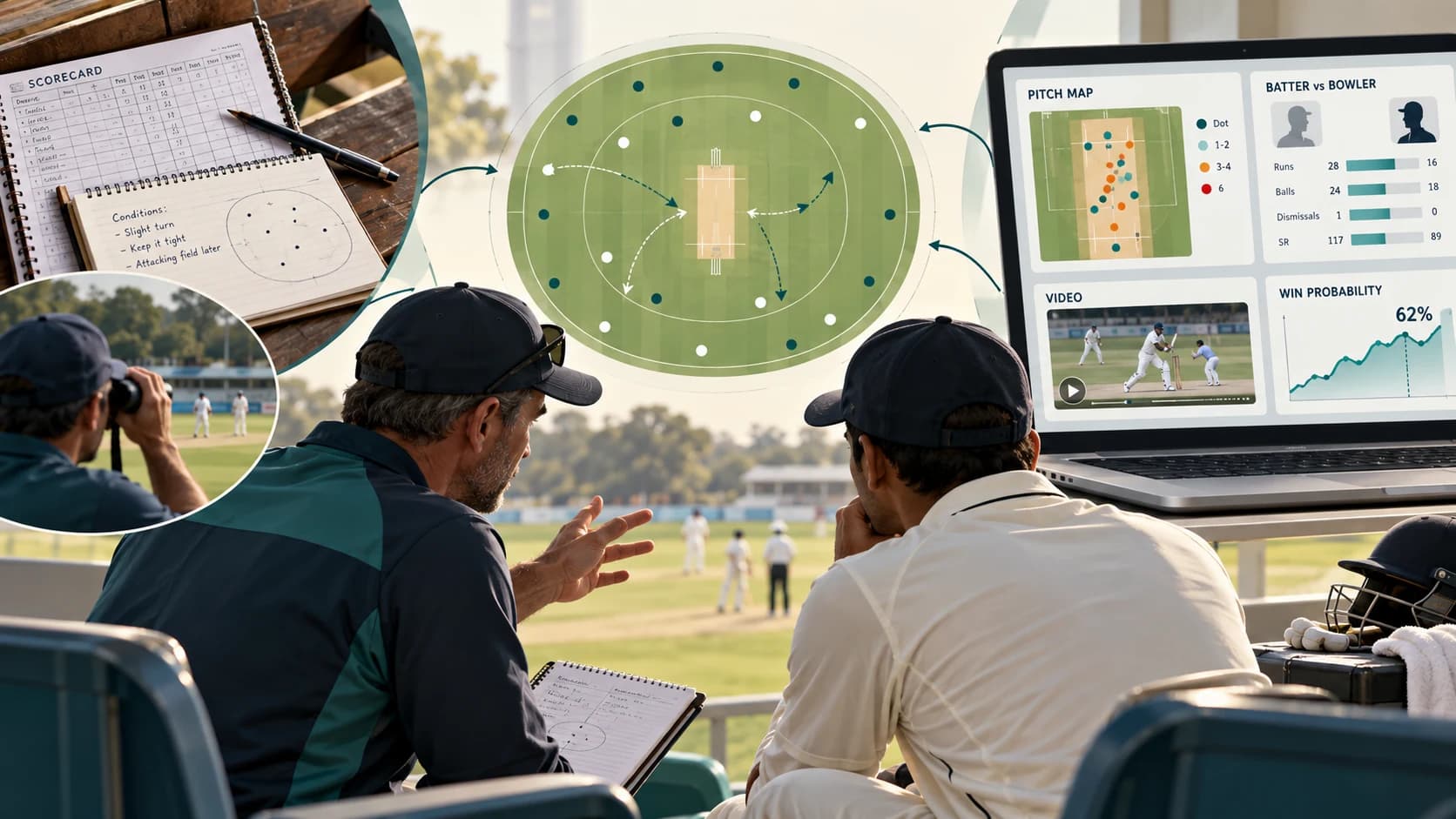
Learn how ball-by-ball data, matchup analysis, predictive models and video have changed cricket selection, batting orders, bowling plans, field settings and recruitment.
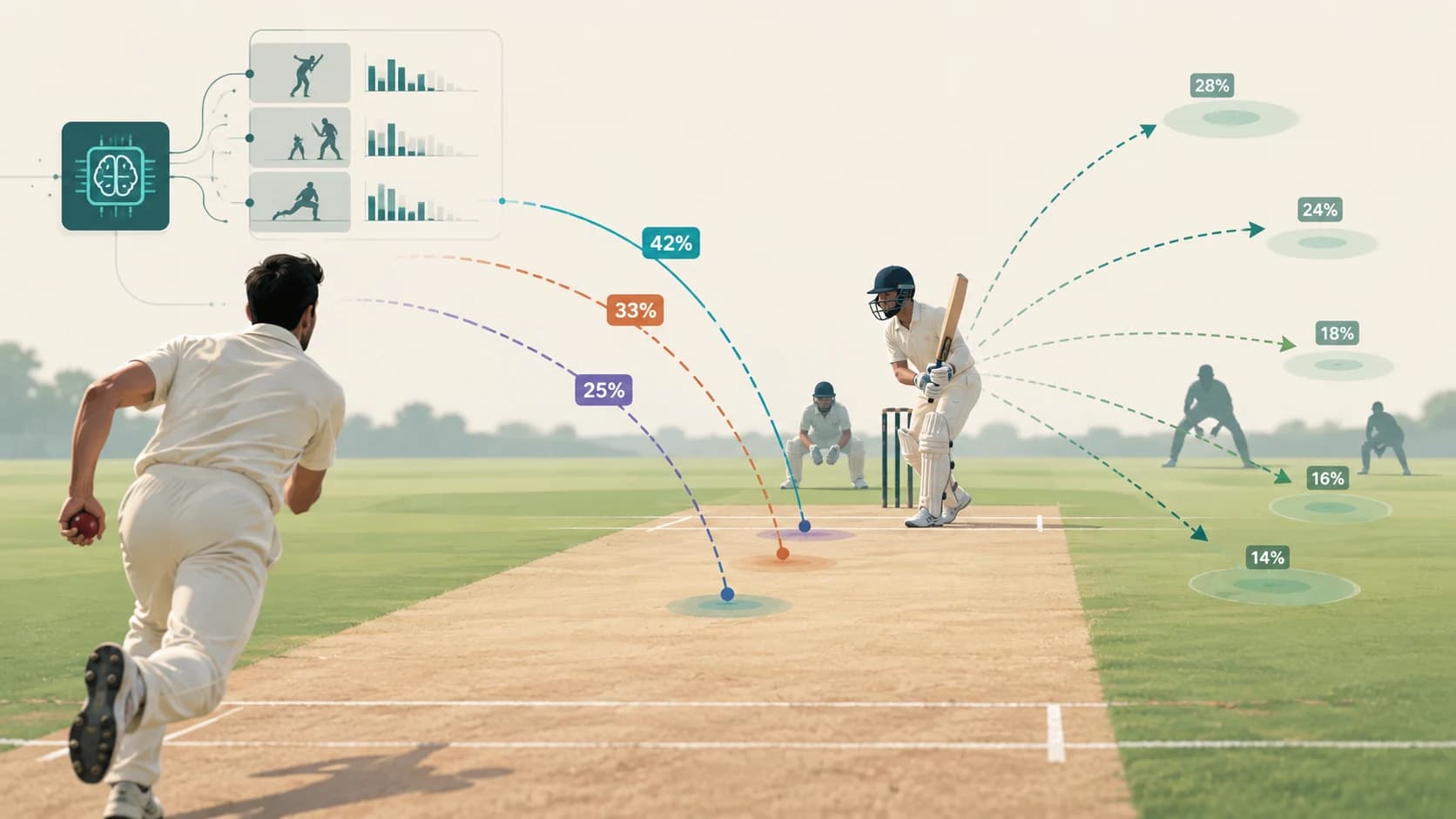
Learn how cricket AI uses ball-by-ball data, player matchups, recent sequences and match context to estimate what may happen next—and why it can never know for certain.
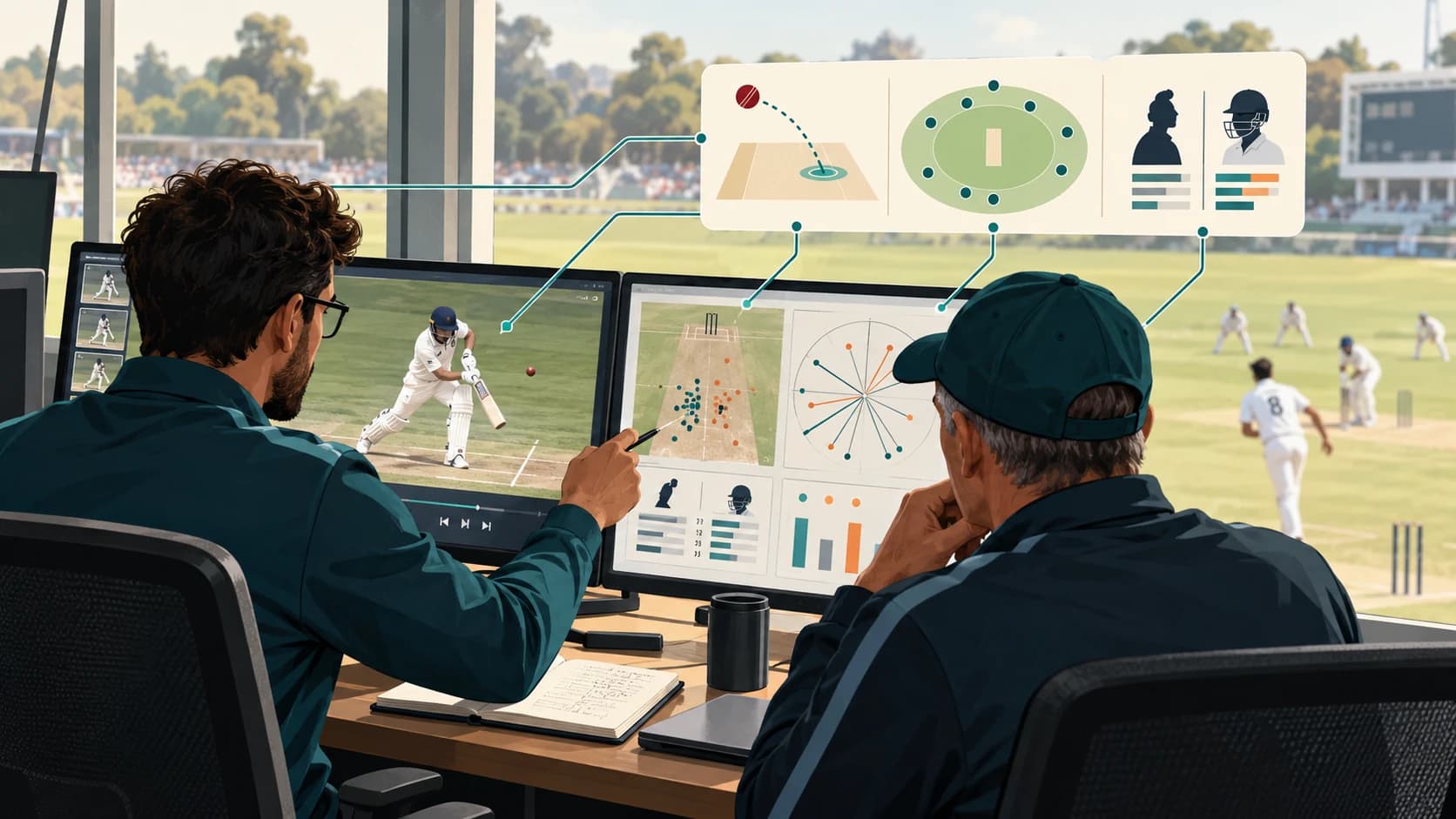
Learn how cricket teams combine ball-by-ball data, video, matchup analysis, pitch maps and scenario planning to study opponents and build match strategies.

Learn how a cricket score travels from the ground to data providers, servers, APIs, apps and websites around the world within seconds.
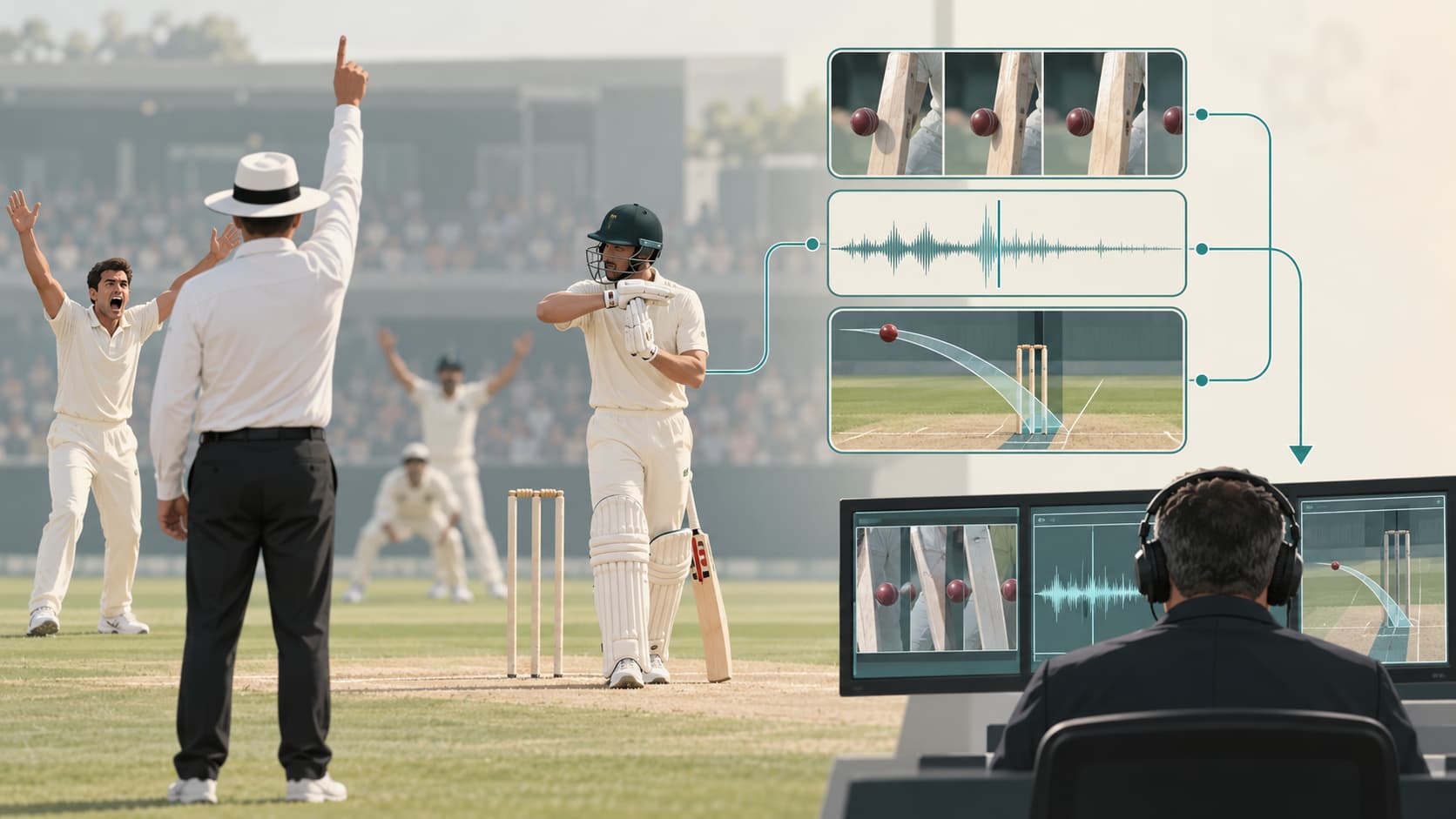
Learn how cricket's DRS works, including player reviews, UltraEdge, ball tracking, LBW decisions, Umpire's Call and when teams lose a review.
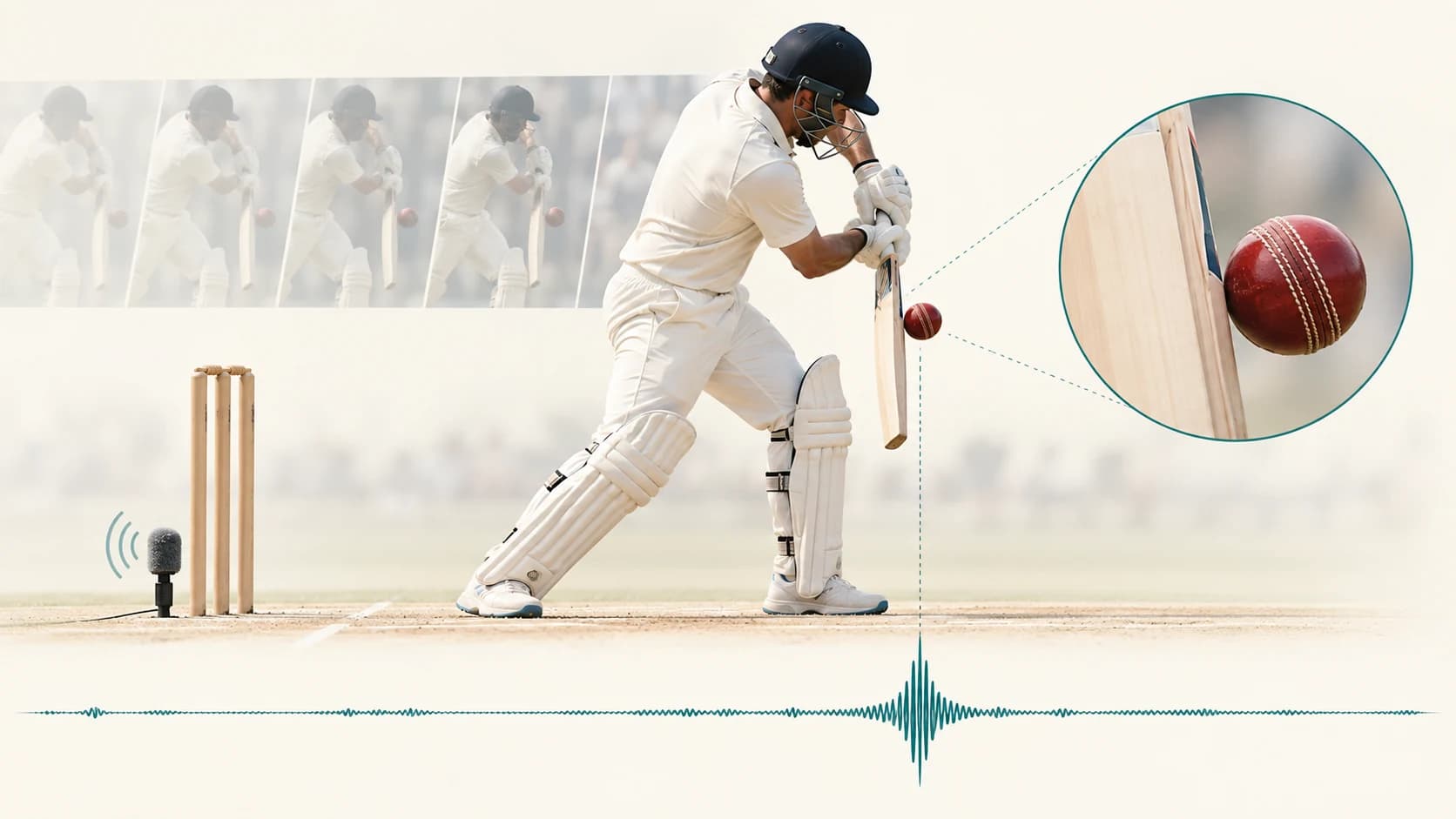
Learn how UltraEdge combines sensitive audio with synchronized slow-motion video to help umpires decide whether a cricket ball touched the bat or glove.
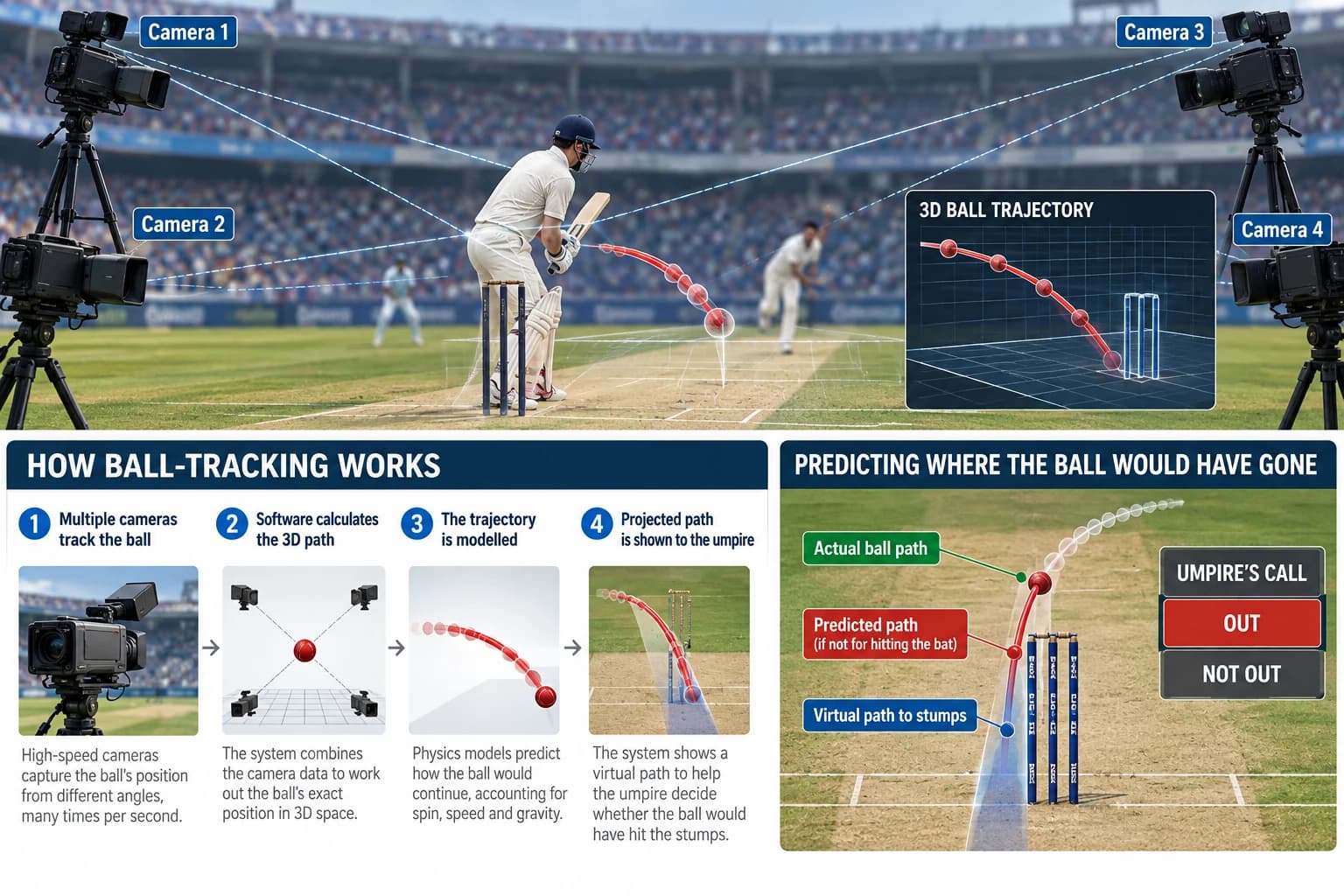
Learn how Hawk-Eye-style cricket ball tracking uses multiple cameras, 3D reconstruction and trajectory modelling to predict whether an LBW delivery would have hit the stumps.
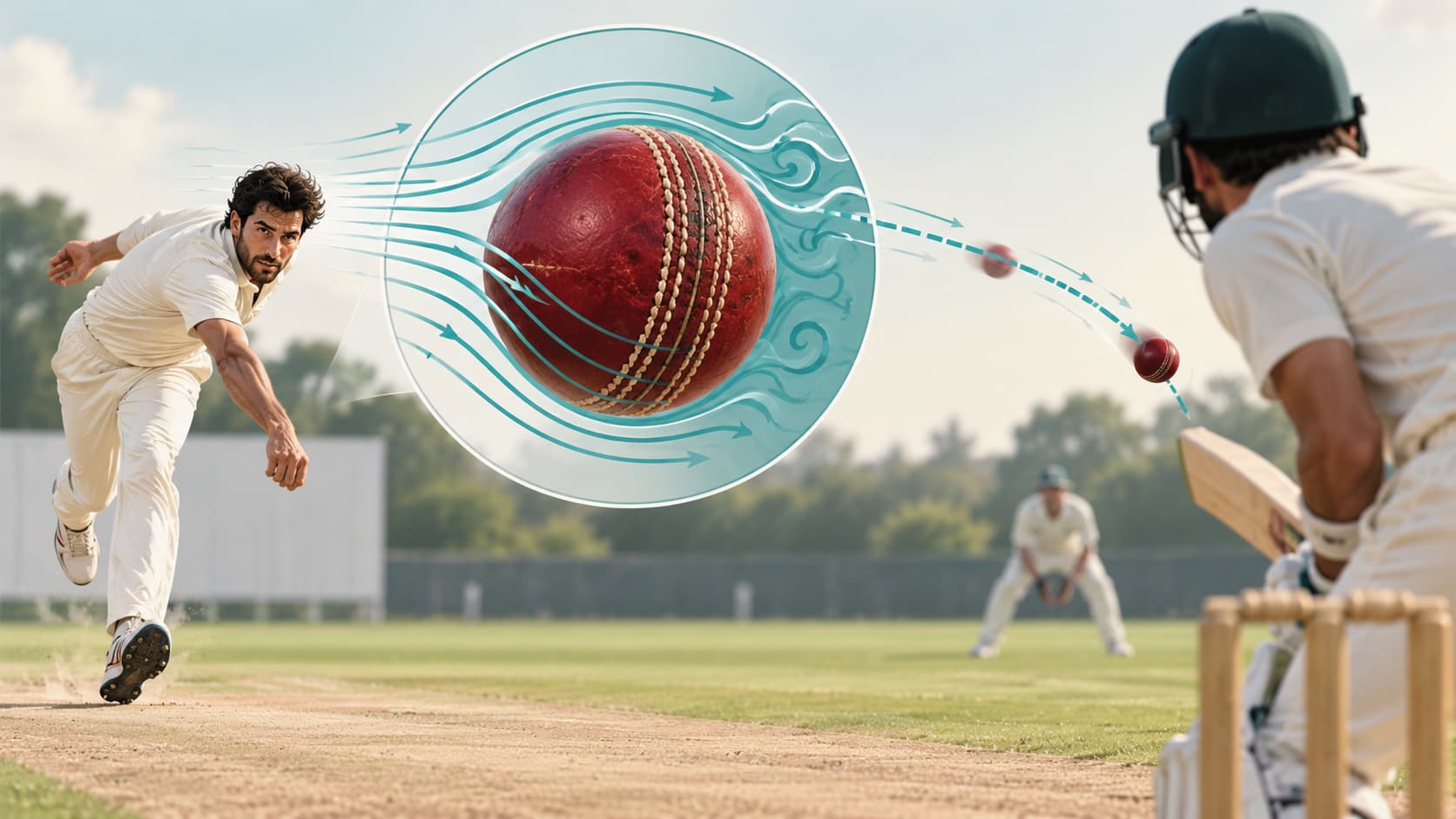
Learn why a cricket ball swings in the air, how the seam and surface affect airflow, and what causes conventional, reverse and late swing.